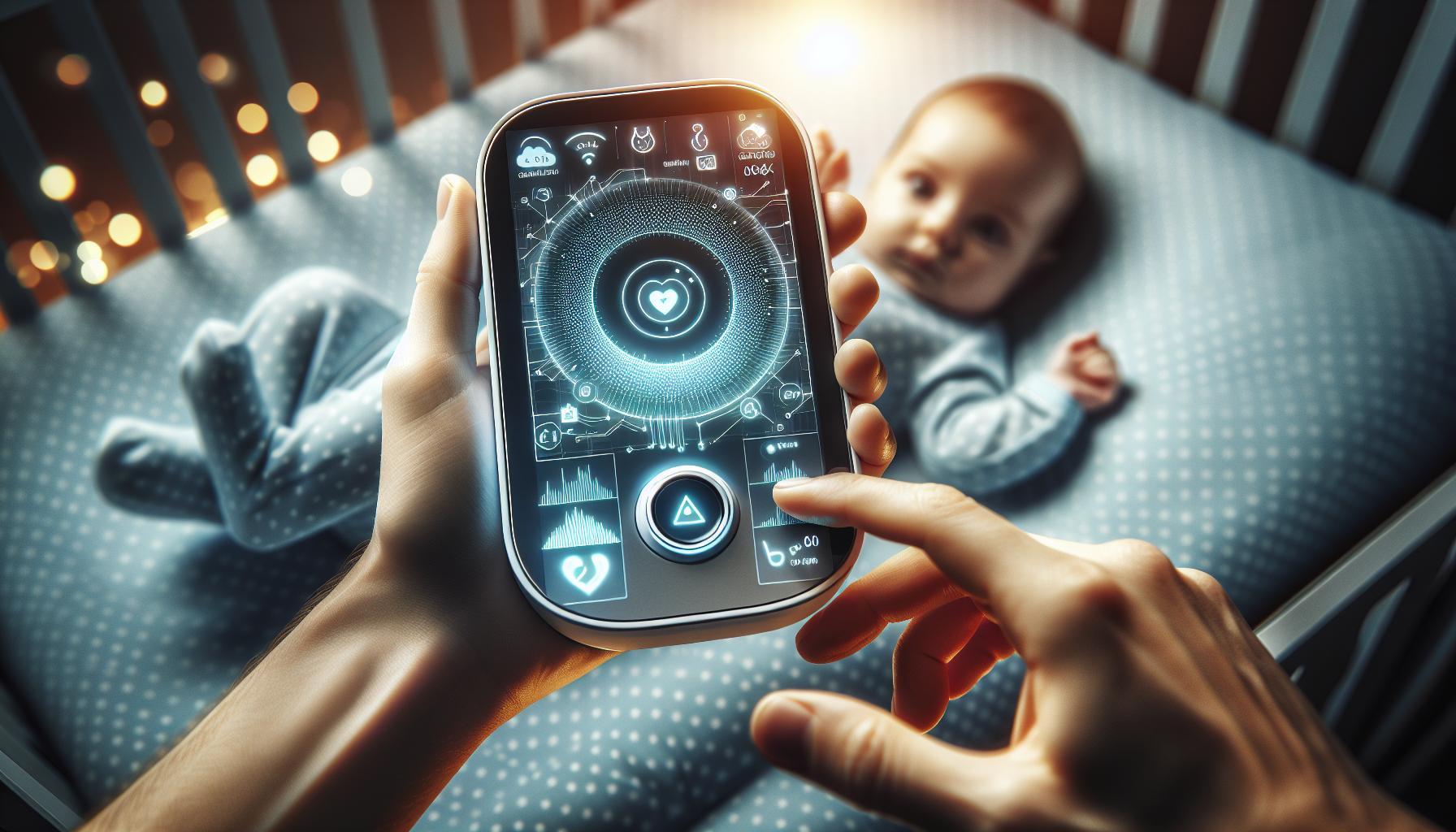
Struggling to understand your baby’s sleep patterns can leave parents feeling frustrated and fatigued. By effectively tracking your little one’s sleep, you can identify trends and make adjustments for better rest. This guide will provide you with the tools and insights needed to create more peaceful nights for both you and your baby.
Understanding Your Baby’s Sleep Cycle: What to Expect
did you know that newborns can spend up to 50% of their sleep time in REM (rapid eye movement) sleep? This fascinating fact highlights just how crucial understanding your baby’s sleep cycle is for both their growth and your well-being. Babies, particularly in their first year, have sleep patterns that differ significantly from adults, making it essential for parents to become adept at recognizing these cycles and their implications.
Decoding Baby sleep Cycles
A baby’s sleep cycle is typically shorter than an adult’s, lasting around 50-60 minutes compared to the 90-minute cycles adults experience. Understanding the various stages within these cycles can help you monitor their sleep patterns more effectively. Each cycle consists of lighter sleep and deeper sleep, with transitions that are often brief but important for healthy rest.During the first few months, your baby will shift through sleep stages that include:
- Non-REM Sleep: This includes light sleep where your baby may twitch or move, serving as a transition into deep sleep.
- REM Sleep: Characterized by rapid eye movements, this phase is crucial for brain development and can bring about dreaming.
Understanding these stages can help you create a more conducive sleep habitat, encourage positive sleep habits, and manage nighttime awakenings.
How to Monitor and Adapt to Sleep Patterns
Building a routine that aligns with your baby’s natural rhythms can lead to better nights for everyone. monitoring their sleep involves paying attention to patterns in how they respond at different times of the day or night. Here’s a fast way to start recording their sleep:
| Time | Activity | Duration | Notes |
|---|---|---|---|
| 7:00 PM | Bedtime Routine | 30 min | Calming activities like bath and reading |
| 7:30 PM | Asleep | 2 hours | Peaceful sleep, slight movement observed |
| 9:30 PM | Woke Up | 15 min | Needed to be soothed again |
| 9:45 PM | asleep | 3 hours | Longer stretch of deep sleep |
This table can help highlight sleep trends over the week, allowing you to gauge when your baby is most likely to fall asleep and wake up naturally. Over time, notice whether certain activities influence how easily they drift off or stay asleep.
By staying attuned to these nuances and adapting gradually,you can create a nurturing sleep routine for your baby while enhancing your understanding of their sleep patterns,paving the way for more peaceful nights ahead.
Choosing the Right Monitor: Features to Look For
Choosing a monitor to track your baby’s sleep can significantly enhance your ability to understand their sleep patterns and ensure better nights for both of you. With numerous options available on the market, it’s essential to focus on several key features that will provide you with the best insights into your child’s sleep behaviors.
Key Features to Consider
When evaluating baby monitors, look for the following crucial features:
- Video Quality: Ensure that the monitor offers high-definition video to capture clear images of your baby, even in low light. A monitor with HD resolution provides better clarity and allows you to see your baby’s every move.
- Audio Range: A two-way audio feature can be invaluable,enabling you to here your baby’s sounds and even soothe them remotely,which is particularly helpful during sleep training.
- Night Vision: Sleep tracking often occurs at night. Invest in a monitor that includes infrared night vision to monitor your baby without disturbing them.
- Wi-Fi Connectivity: Smart monitors allow you to check in on your baby through a smartphone app, offering flexibility if you’re moving around the house or away for a moment.
- Sleep Tracking Features: Some monitors not only observe but also analyze sleep patterns, providing insights into how long your baby sleeps, their sleep cycles, and the quality of sleep.
- Temperature and Humidity Sensors: A pleasant sleep environment is vital for a good night’s rest. Monitors featuring these sensors will help you maintain optimal conditions for your baby’s sleeping area.
Real-World Examples
For parents looking to understand how their child sleeps, several monitors on the market cater to these needs. As an example, the Nanit Plus provides remarkable video quality and sleep analytics, allowing you to track sleep patterns directly from your smartphone. Additionally, the Owlet Smart Sock measures heart rate and oxygen levels, offering parents peace of mind by providing real-time feedback on their baby’s health during sleep.
| Monitor | Features | Price Range |
|---|---|---|
| Nanit Plus | HD Video, Sleep Tracking, App Connectivity | $299 – $399 |
| owlet Smart Sock | Oxygen & Heart Rate Monitoring, App Alerts | $299 |
| Babysense Video Monitor | Infrared Night Vision, Two-Way Talk | $100 – $150 |
These features and examples will guide you in selecting the right baby monitor that not only helps you observe sleep patterns but enhances your overall peace of mind during those precious nights with your little one. By investing in technology that provides clear insights, you can establish a soothing bedtime routine, ensuring both you and your baby experience better nights.
How to Set Up your Monitor for Optimal Use
Creating a Conducive Environment for Monitoring Baby Sleep Patterns
Establishing an optimal setup for monitoring your baby’s sleep patterns plays a crucial role in fostering better nights and overall well-being for your little one. By leveraging technology effectively, you can gain valuable insights into your baby’s sleep habits. Here are essential steps to ensure you’re set up for success:
- Choose the Right equipment: Invest in a reliable baby monitor that offers features such as high-definition video, night vision, and two-way audio. These functionalities not only help you observe your baby’s sleep but also enable you to soothe them without entering the room.
- Positioning is Key: Position the monitor at an optimal distance to capture a clear view of the crib while avoiding bright lights that could disturb your baby’s sleep. Adjust the angle to ensure the camera covers the entire sleeping area.
- Utilize Sleep Tracking Features: Many modern baby monitors come with built-in sleep tracking capabilities. Explore apps or devices that allow you to log and analyze your baby’s sleep patterns over time, providing insights into how to optimize their sleep environment.
- Set Up a Comfortable Sleep Environment: Ensure the crib is comfortable and free from distractions. Consider factors such as room temperature, noise levels, and lighting all of which contribute to better sleep quality.
Leveraging Insights for better Nights
After setting up your monitoring device, the next phase involves analyzing the data collected. Understanding your baby’s sleep patterns is vital for adjusting routines or making environmental changes that lead to improved sleep quality.
| Time | Sleep Status | observations |
|---|---|---|
| 8:00 PM | Asleep | Settled after a lullaby. |
| 10:30 PM | Awake | Seemed restless; potential teething discomfort. |
| 12:00 AM | asleep | Soothing worked effectively. |
Utilizing this facts can lead to targeted adjustments in your baby’s routine, such as earlier bedtimes or modifications to their sleep environment, ultimately enhancing their sleep quality and duration.
Tips for Tracking Sleep patterns Effectively
Tracking your baby’s sleep patterns can be a game changer for both you and your little one.Understanding when and how long your baby sleeps can lead to effective strategies that improve their overall sleep quality and help you establish a more predictable routine. To achieve this, consider the following practical tips for effective tracking.
Choose the Right Tools
In today’s tech-savvy world,a multitude of tools are available to help parents monitor sleep patterns. From traditional pen-and-paper journaling to elegant sleep apps, there is an option to suit every preference.Consider these tools:
- Sleep Tracking Apps: Look for user-reviewed apps that feature customizable options for logging sleep duration and patterns. many of these apps can even generate reports for easier analysis.
- Wearable Monitors: Devices such as smartwatches or dedicated baby monitors with sleep tracking capabilities provide insights into your baby’s sleep cycles, allowing for deeper analysis of their patterns.
- Sleep Journals: If you prefer a more traditional approach, maintain a sleep journal. document bedtimes, wake times, and any mid-night awakenings to spot trends over time.
Establish a Consistent Tracking Routine
Consistency is crucial when it comes to tracking sleep. Aim to log your baby’s sleep times everyday, as even a couple of skipped days can result in gaps in understanding their patterns. Here’s how to maintain a reliable routine:
- Set Reminders: Use phone alarms or calendar reminders to prompt you to record sleep times promptly after they occur.
- Log Immediately: Write down details as soon as you can. This reduces the possibility of forgetting waking times, which can skew your understanding of their sleep schedule.
Analyze the Data
Once you’ve collected a solid amount of data on your baby’s sleep patterns,it’s time to analyze it for actionable insights. Visualize the data to make interpretation easier.
| Week | Total Sleep (Hours) | Sleep Patterns Noted |
|---|---|---|
| 1 | 55 | Frequent night awakenings, irregular nap times |
| 2 | 60 | Longer stretches of sleep, improved daytime naps |
| 3 | 62 | consistent bedtime routine enacted |
By reviewing this data weekly, you can adjust bedtime routines and nap schedules to optimize your baby’s sleep, reinforcing what works and changing what doesn’t. Tracking sleep patterns effectively not only aids in identifying trends but also empowers you to establish and maintain routines that can lead to better nights for both you and your baby.
ensuring Privacy and Safety When Using Baby Monitors
The comfort of knowing your baby is safe while they sleep can often make the difference between a peaceful night’s rest and constant worry. Though, in an age where technology reigns, is paramount. Protecting your family from potential threats while enjoying the benefits of smart monitoring devices is entirely feasible with the right precautions.
Choose Secure Devices
When selecting a baby monitor, it’s crucial to prioritize models that offer robust security features. Look for monitors that provide:
- Encryption: Ensure the device uses encryption to secure the video and audio feeds, preventing unauthorized access.
- Firewall protection: Baby monitors connected to Wi-Fi should have built-in firewalls to safeguard against hacking attempts.
- Two-Factor Authentication: Opt for devices that require two-factor authentication when accessing the monitor remotely.
These features add multiple layers of security, making it much harder for intruders to gain access to your baby monitor’s feed. Always keep an eye on consumer reviews and trusted resources for insights into the security history of any device you consider.
Regular Software Updates
Keeping your baby monitor’s software up to date is essential for maintaining its security. Manufacturers often release updates that patch vulnerabilities and enhance performance. Set aside time to check for updates regularly,as some devices can be programmed to update automatically.
Incorporating this habit can be an excellent part of your routine as you monitor your baby’s sleep patterns. By maintaining current software, you’re not only optimizing the functionality of your device but also fortifying it against known threats.
Monitor Your Usage Environment
The placement of your baby monitor plays a significant role in both privacy and safety.Here are some useful tips:
- Avoid Public Networks: Never connect your baby monitor to public Wi-Fi networks. If possible, keep the device on a private network to minimize risks.
- Limit Access: Restrict access to your monitor’s feed to only those who need it. Use unique, strong passwords and change default settings immediately.
- Physical Security: Position your monitor in a way that can be viewed from the baby’s sleeping area but doesn’t inadvertently capture other sensitive household activities.
By creating a secure environment for your monitoring devices,you can significantly enhance both your baby’s safety and your peace of mind,all while establishing an effective way to monitor baby sleep patterns for better nights.
Remember, ensuring privacy and safety with your monitor is an ongoing process, requiring vigilance and updates to stay one step ahead of potential threats.
Interpreting sleep Data: What the Numbers mean
Understanding your baby’s sleep data is fundamental in deciphering their sleep patterns and improving overall rest for both the child and the parents. The numbers you see on sleep monitors or apps can be daunting at first, but they hold key insights. by breaking down the data, you can better grasp what your baby needs for a good night’s sleep.
Decoding Sleep Metrics
When you pull up your baby sleep tracker, you might encounter various metrics such as total sleep time, number of awakenings, and sleep cycles. Here’s a quick breakdown of these figures:
- Total Sleep Time: This indicates the cumulative amount of time your baby slept during a designated period. For infants, a good range is typically between 12 to 16 hours in a 24-hour timeframe.
- Awakenings: The number of times your baby wakes up during the night can shed light on their sleep quality. Frequent awakenings can result from discomfort, hunger, or sleep regression phases.
- Sleep Cycle: Understanding the length of sleep cycles—often around 50-60 minutes for babies—can help you recognize patterns in how deep their sleep is, and when they might be more likely to wake up.
To get a clearer representation of these metrics, consider tracking them in a table:
| Metric | Typical Range for Infants | Implication |
|---|---|---|
| Total Sleep Time | 12-16 hours | Indicates healthy sleep duration for growth and development. |
| Number of Awakenings | 2-4 times | Frequent awakenings may signal issues like hunger or discomfort. |
| Length of Sleep Cycle | 50-60 minutes | Helps assess stage transitions and potential sleep disturbances. |
Taking Action Based on Data
Once you have a grasp on the metrics,take practical steps to optimize your baby’s sleep. If the total sleep time is low,try establishing a consistent bedtime routine that promotes relaxation. if frequent awakenings occur, consider evaluating the sleep environment—eliminate potential disturbances such as noise or uncomfortable room temperatures.
Real-world examples can help illustrate these steps effectively. As an example, parents who noticed their baby waking up multiple times a night found success by dimming the lights and reducing stimulation close to bedtime, leading to longer stretches of sleep. By understanding how to monitor baby sleep patterns for better nights,you can curate an environment that aligns with your baby’s needs,ensuring restful nights for everyone involved.
Adjusting Routines Based on Your Observations
Did you know that making small adjustments to your baby’s daily routine can significantly enhance their sleep quality? Understanding and adapting to your baby’s sleep patterns is a dynamic process that can yield happier nights for both parents and infants. By closely monitoring their sleep habits, you can identify trends and tweak routines to encourage more restful nights.
Recognizing Key Sleep Patterns
When you begin tracking your baby’s sleep, take note of various patterns such as sleep duration, wake times, and nap lengths. This information is crucial because every baby is different, and their needs may shift as they grow. Regularly monitoring can help you pinpoint:
- The optimal bedtime when your baby is most ready to sleep.
- The ideal length for naps to maintain well-being and alertness.
- Signs of overtiredness or sleepiness that could indicate a necessary shift in routine.
Once you gather this data, it may help to create a simple table to visualize the changes over time:
| Date | Nap Duration | bedtime | Night Sleep Duration |
|---|---|---|---|
| Day 1 | 1.5 hours | 7:30 PM | 10 hours |
| Day 2 | 2 hours | 8:00 PM | 9.5 hours |
| Day 3 | 1 hour | 7:00 PM | 11 hours |
Making Necessary Adjustments
Once you’ve analyzed your findings, consider how you can modify daily activities to enhance your baby’s sleep experience. For instance, if you notice your baby tends to wake frequently during the night after a late bedtime, try advancing it by 15-30 minutes. Consistency is key—aim to keep waking and sleeping times similar each day.
Additionally, don’t overlook the influence of daytime activities. Incorporating more stimulating play sessions during the day or a calming bedtime routine can also lead to better nighttime slumber. It may be helpful to establish a pre-sleep ritual that signals to your baby that it’s time to wind down—such as reading a short story or gentle lullabies.
By paying attention to these observations and being flexible with your approach, you can navigate the ups and downs of your baby’s sleep journey, ensuring that the whole family enjoys the benefits of a more restful night.
Supporting Healthy Sleep Habits: Expert Tips for Parents
Understanding the profound impact of sleep on your child’s development can empower parents to establish nurturing routines. Healthy sleep not only enhances a baby’s mood and behavior but also supports their cognitive and physical growth. With infants frequently enough unable to communicate their needs clearly, recognizing sleep patterns becomes crucial for parents aiming to foster restful nights.
Creating a Consistent Sleep Environment
One of the most effective steps parents can take is to create a soothing sleep environment that signals it’s time for rest. Consider implementing the following practices:
- Darkness: Use blackout curtains to keep the room dark during sleep times,promoting melatonin production.
- White Noise: Introduce a white noise machine or a fan to drown out household sounds and provide a calming backdrop.
- Comfortable Temperature: Keep the nursery at a comfortable temperature, ideally between 68 to 72 degrees Fahrenheit.
- Safe Sleep Space: Ensure the crib or sleep area is free from blankets or toys to adhere to safe sleep guidelines.
Utilizing consistent sleep cues assists in signaling to your baby that it’s time to wind down. This might include soft music, a gentle rocking motion, or a beloved bedtime story.
Understanding baby Sleep Patterns
Every baby is different, and their sleep patterns can change dramatically in the early months. Keeping an eye on how your baby sleeps can provide valuable insights that make nightly routines easier. consider using a simple sleep log to track the following:
| Date | Sleep Duration (hrs) | Naps Taken | Wake Times | Notes/Observations |
|---|---|---|---|---|
| MM/DD | e.g., 10 | e.g.,3 | e.g., 2 | e.g., Fussy during naps |
Tracking sleep patterns not only aids in recognizing trends but can also assist healthcare providers should sleep issues arise. Over time, parents will gain a better understanding of their baby’s natural rhythm which can help in minimizing sleep disruptions.
establishing a Sleep Routine
Consistency is the cornerstone of establishing healthy sleep habits. A well-structured routine can help ease the transition to bedtime. Here’s a simple outline to consider:
- Wind Down Time: Start a calming pre-sleep routine about 30 minutes before bed. This could include a warm bath, gentle massage, or reading.
- Set a Bedtime: Aim for an early bedtime that aligns with your baby’s natural sleep cues; most infants sleep best between 7 PM and 8 PM.
- Monitor Feeding and Sleep: Recognize that nighttime feeding may still be necessary for young babies.As they grow, gradually shift towards fewer night feedings to encourage longer sleep stretches.
- Respond to Night Wakings Calmly: Maintain a calm demeanor during nighttime awakenings, using soft voices and minimal light to help your baby transition back to sleep.
By actively supporting these healthy sleep habits and monitoring baby sleep patterns, parents can contribute significantly to better nights for their little ones, minimizing stress and maximizing rest for the entire family.
Q&A
How to Monitor Baby Sleep Patterns for Better Nights?
Monitoring your baby’s sleep patterns can be achieved using a combination of methods, such as keeping a sleep diary, using baby monitors, or sleep tracking apps. These tools help you understand your baby’s sleep cycle, leading to improved nighttime routines.
Start by maintaining a sleep diary where you log your baby’s sleep times and durations. Consider using a baby monitor that features sleep tracking capabilities or a specialized app that records sleep data. Such practices can definitely help you identify patterns and correlations, improving your baby’s overall sleep quality. For more detailed tracking, explore our guide on baby sleep strategies.
What is a Baby Sleep Monitor and How Does It Work?
A baby sleep monitor is a device that tracks your baby’s sleep patterns by measuring noise levels, movement, or breathing. They help you keep an eye on your baby while they sleep, providing real-time insights into their wellness.
Most modern monitors include features such as video feeds, temperature sensors, and lullabies to soothe your baby. They often connect to your smartphone where you can view data on your baby’s sleep duration and quality, making it easier to understand their sleep patterns and adjust accordingly.
Why Does Monitoring Baby Sleep Patterns Matter?
Monitoring baby sleep patterns is vital for ensuring your baby gets enough rest for healthy development. Understanding these patterns can help you establish a consistent bedtime routine, which is crucial for better nights.
When you know your baby’s usual sleep cycles, you can better respond to their needs, which may lead to fewer sleepless nights for both you and your baby. Regular monitoring also helps you detect any potential sleep issues early on, allowing for prompt intervention.
Can I Use Technology to Monitor Baby Sleep Patterns?
Yes, you can use various forms of technology to monitor your baby’s sleep patterns. Baby monitors with sleep tracking capabilities are widely available and can provide valuable insights about your baby’s sleep behavior.
Moreover, many parents find success with smartphone applications that allow them to record and analyze sleep data. Some advanced monitors even integrate with smart home systems, enhancing convenience while maintaining safety and security for your baby.
How to Set Up Baby Sleep Monitoring Devices Safely?
To set up baby sleep monitoring devices safely, ensure all hardware is properly installed, and follow the manufacturer’s guidelines, particularly regarding the placement of cameras and sensors.
Keep any cords out of reach to prevent accidents and ensure that Wi-Fi-enabled monitors use strong, secure passwords to protect your privacy. Regularly update the software and monitor settings for enhanced security measures; this helps to keep your baby safe from potential threats.
What Signs Indicate My Baby May Have Sleep Issues?
Signs that your baby may have sleep issues include frequent wake-ups during the night, difficulty falling asleep, or excessive fussiness. Monitoring can help capture these patterns and provide insights.
If your baby is consistently experiencing disrupted sleep or showing unusual irritability, it’s essential to consult with a pediatrician. Keeping a detailed sleep log can make it easier for your doctor to evaluate any potential sleep disorders or practices that may need adjustment.
How Often Should I Monitor My Baby’s Sleep Patterns?
it’s recommended to monitor your baby’s sleep patterns regularly, ideally every night. Continuous observation can help identify trends or issues in their sleep behavior.
Initially, track it daily for a week or two, then adjust based on your findings. If you notice consistent issues, documentation will aid in addressing them during check-ups with healthcare providers, helping ensure your baby achieves restful sleep.
The Conclusion
keeping an eye on your baby’s sleep patterns can lead to more restful nights for both you and your little one. By selecting the right baby monitor, understanding how to set it up securely, and being mindful of your privacy concerns, you can create a supportive sleep environment that fosters healthy rest. Remember, every baby is different, so take the time to observe what works best for your family. As you explore these monitoring options, don’t hesitate to reach out to fellow parents or join online communities for shared experiences and tips.Together, we can navigate the challenges of parenthood with confidence and compassion. Happy monitoring!