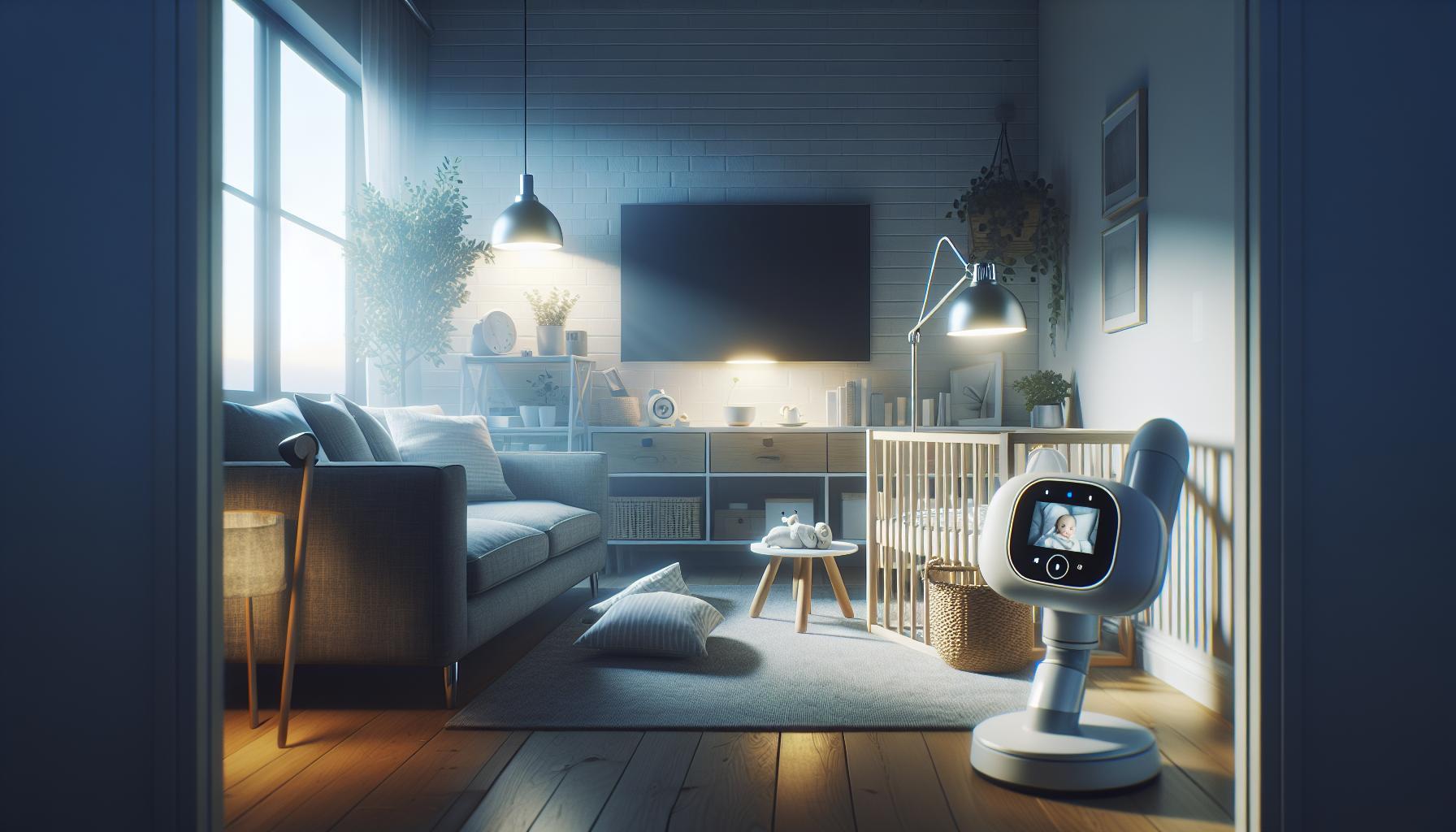
As a new parent,ensuring your baby’s safety and comfort while giving them the freedom to explore can be a daunting challenge. Understanding how to effectively use a baby monitor is crucial for peace of mind and maintaining a healthy sleep routine for both you and your little one. This guide will walk you through essential setup tips and best practices for beginners.
Understanding the Different Types of Baby Monitors
Choosing the Right Baby Monitor for Your Needs
With countless options available on the market, is crucial for making an informed choice that suits your family’s specific needs. Each type of monitor offers unique features designed to cater to various parental concerns, from basic audio monitoring to advanced video surveillance.
Audio Baby Monitors
Thes are the simplest form of baby monitors, designed primarily for sound detection. Audio monitors can alert you when your baby is crying or making noise, allowing you to respond promptly. They typically consist of a transmitter unit placed in the baby’s room and a receiver that parents keep with them. audio monitors are ideal for parents who prefer a straightforward, budget-pleasant option without needing video capabilities. they are also useful for families who may travel frequently, as they are generally lightweight and portable.
Video Baby Monitors
For parents seeking greater peace of mind, video baby monitors provide a visual component that enables you to see your baby while they sleep. These monitors come with a camera that can capture real-time video and frequently enough include features like night vision,pan-tilt-zoom capabilities,and two-way audio.Newer models even connect to smartphones, allowing for remote monitoring via dedicated apps. Video monitors are excellent for those who want to keep a close eye on their child’s surroundings, making them a popular choice among tech-savvy parents.
| Type | Key Features | Best For |
|---|---|---|
| Audio Monitors | Sound detection, lightweight, portable | Budget-conscious families, travel |
| Video Monitors | Real-time video, night vision, two-way audio | Tech-savvy parents, detailed monitoring |
| Smart Monitors | Wi-Fi connectivity, app control, sleep tracking | Parents wanting advanced features and data |
Smart Baby Monitors
Taking it a step further, smart baby monitors integrate with home Wi-Fi, allowing users to access features through mobile applications. These monitors can provide additional functionalities, such as sleep analytics, environmental sensors (for temperature and humidity), and even alerts if unusual sounds or movements are detected.This type is perfect for tech-oriented families who wish to monitor their baby’s safety and well-being through cutting-edge technology.
As you navigate your options, consider which features align best with your needs and lifestyle. The right baby monitor ensures you’ll feel connected and reassured as you care for your little one.
Step-by-Step Guide to Setting Up Your Baby Monitor
Using a baby monitor correctly can greatly enhance your peace of mind as a parent. With the right setup, you can ensure that your little one is safe while you tackle chores or relax in another room. Below is a complete step-by-step guide to help you seamlessly install and configure your baby monitor.
Choosing the Right Location
Finding the optimal position for your baby monitor is crucial. Consider the following factors when selecting a spot:
- Proximity: The monitor should be close enough to the crib to capture sound but at a safe distance away to avoid hazards.
- View Angle: Ensure the camera has a clear view of the crib without obstructions.
- Electrical outlets: Place the monitor near a power source while keeping cords out of reach of your baby.
setting Up the Monitor
After deciding the location, it’s time to set up the monitor.Follow these steps carefully:
- Assemble the Equipment: Unbox your baby monitor and read through the setup manual. Ensure all components are present.
- Connect to power: plug in the monitor, ensuring that it’s safely out of your baby’s reach. If it’s a battery-operated model, install fresh batteries.
- Adjust the Camera/Audio: If your baby monitor has adjustable angles, position the camera for an unobstructed view. Make sure the audio sensitivity is set to an optimal level to pick up sounds without being overly sensitive.
Connecting to Your Device
For monitors with smartphone connectivity, the next step is crucial:
- Download the App: look for the monitor’s companion app in your device’s app store and download it.
- Follow Setup prompts: Open the app and create an account if required. Follow the app’s instructions to pair it with your baby monitor.
- Test the Connection: Test the audio and video feed to ensure everything works correctly. Adjust settings as necessary for clarity and range.
Conducting Final checks
Once the monitor is set up, conduct thorough checks to ensure everything is in place:
| Check Item | status |
|---|---|
| Clear line of sight | ✔️ |
| Proper audio sensitivity | ✔️ |
| Stable Wi-Fi connection (if applicable) | ✔️ |
| Battery life checked | ✔️ |
Following these steps to effectively set up your baby monitor will not only help you use it correctly but also give you confidence in monitoring your baby’s safety throughout the day. With everything in place, you can finally enjoy some well-deserved peace of mind, knowing that the monitor will alert you to any sounds or movements.
Tips for Positioning Your monitor for Optimal Coverage
Ensuring your little one is safe while sleeping can be a daunting task, especially for new parents. An optimal baby monitor setup is essential to provide peace of mind, and the proper positioning of your monitor can make all the difference.
Understanding the Coverage
To maximize the efficiency of your baby monitor, it’s crucial to grasp the ideal placement and the device’s coverage area. Generally, baby monitors are designed to capture sounds and movements in a specific range. Here are a few tips to enhance your monitor’s coverage:
- Height Matters: Place the monitor at the same height as your child’s crib when they’re lying down. This allows for the best angle and minimizes any obstructions.
- Consider Obstacles: Walls, furniture, and even curtains can interfere with sound and video signals, so ensure the monitor has a clear path to your baby’s sleeping area.
- Avoid Direct Sunlight: Position the monitor away from direct sunlight to prevent overheating and ensure consistent functionality.
Different Monitor Types Require Different Approaches
Different types of baby monitors come with their own specific requirements for optimal positioning. Here’s a fast rundown:
| Monitor Type | Optimal Positioning |
|---|---|
| Audio Monitor | Place it on a stable surface, elevated above baby’s crib, with minimal obstructions to capture sounds. |
| Video Monitor | Mount it on a wall or place it on a shelf, angled toward the crib to avoid capturing irrelevant background noise. |
| Smart Monitor | Ensure proper Wi-Fi connectivity and place it according to camera feed capabilities, adjusting the angle for clear visuals. |
By carefully selecting the positioning of your baby monitor, you can ensure that you have optimal coverage, allowing you to respond swiftly to your baby’s needs. Taking the time to set it up correctly can make a meaningful difference in ensuring you feel connected to your baby while they sleep and offer reassurance with every gentle sound they make.

Ensuring Privacy and Security: Best Practices for Baby Monitors
The rise of smart baby monitors has made parenting more convenient, but it has also increased the importance of safeguarding your family’s privacy and security. In 2022 alone, numerous families reported incidents of unauthorized access to baby monitors, primarily due to poor security measures in their devices. In navigating the technology landscape, understanding best practices becomes crucial for ensuring a worry-free monitoring experience.
Secure Your device
securing your baby monitor begins with choosing a reliable product. Opt for devices that emphasize security features like end-to-end encryption and regularly updated firmware. Ensure you conduct thorough research and select a reputable brand that prioritizes your family’s data protection.Here are some best practices to keep in mind:
- Change default passwords: Most baby monitors come with factory-set passwords. Promptly change these to strong, unique passwords to deter unauthorized access.
- Enable two-factor authentication (2FA): If your monitor supports it, enable 2FA for an additional layer of security.
- Secure your Wi-fi network: Make sure your home Wi-Fi network is password-protected and consider setting up a guest network specifically for your baby monitor.
Regular Updates and Monitoring
Just like any other electronic device, baby monitors require regular maintenance. Keeping your device updated helps patch security vulnerabilities. Manufacturers frequently release firmware updates to address potential security issues, so check for updates regularly or enable automatic updates if available.
When using baby monitors that connect to the internet,periodically check the cameras and settings to ensure everything is functioning as was to be expected. Having real-time alerts for any unauthorized attempts to access your device can also enhance your security.
Vulnerability Awareness
Lastly, it’s vital to stay informed about the potential vulnerabilities associated with baby monitors. With the advent of new technologies, hackers continually adapt their strategies. Educate yourself about common threats to baby monitor security and how to counteract them.
For instance, consider using a VPN to encrypt the internet connection your monitor uses, especially if you frequently access it remotely. Here is a simple table to summarize effective security measures:
| Security Measure | Description |
|---|---|
| Change Default Passwords | Use strong, unique passwords to deter unauthorized access. |
| Enable Two-Factor Authentication | Add an extra layer of security for your device. |
| Regular Firmware Updates | Keep your device’s software updated to address vulnerabilities. |
| Monitor Your Network | Ensure no unauthorized devices are connected to your Wi-Fi network. |
| Use a VPN | Encrypt your internet connection for added security. |
By implementing these safety measures, you’ll create a secure environment for both you and your little one, allowing you to focus solely on what matters most: their well-being. These precautions serve as essential steps in understanding not just how to use a baby monitor correctly, but also how to do so safely, making the most out of your monitoring experience.
Troubleshooting Common Baby Monitor Issues
Did you know that nearly 90% of parents experience malfunctions with their baby monitors at one point or another? While these devices are designed to provide peace of mind, technical hiccups can sometimes overshadow their safety benefits.Whether it’s unclear audio, temperature inaccuracies, or connection issues, resolving common problems effectively can enhance your experience and ensure your baby’s safety.
Audio and Video Clarity Issues
One of the most frequent complaints about baby monitors is poor audio or video quality. If your finding that the sound is crackly or the visuals are fuzzy, consider the following steps:
- Check the Range: Ensure that your monitor is within the recommended distance from the baby unit. Thick walls and electronic interference from other devices can affect performance.
- clean the Camera Lens: Sometimes, smudges or dust can interfere with video clarity. Regularly clean the lens to maintain optimal performance.
- Adjust the Frequency: For analog monitors, changing the channel or frequency might clear up static or interference from other wireless devices in the home.
Connection Troubles
Experiencing frequent disconnections or a complete failure to connect can be frustrating. Here are some practical tips to troubleshoot these issues:
- Wi-Fi Settings: Ensure your Wi-Fi signal is strong in the area where the baby monitor operates. Weak signals can cause pixelation or complete disconnection on digital models.
- Update Firmware: Always check for firmware updates on your device’s app or manufacturer’s website, as updates can resolve connectivity problems.
- Reboot the Devices: Restart both the parent unit and the baby unit. Sometimes a simple reset can fix any temporary glitches.
Battery Life and Charging Concerns
Maintaining a solid battery life is crucial for uninterrupted monitoring. If you find that your baby monitor isn’t holding a charge, follow these tips:
- Use the Recommended Charger: Ensure you’re using the official charger that came with your monitor, as other chargers may not provide appropriate voltage.
- Limit Background Apps: If using a smart baby monitor, applications running in the background can drain battery life faster. Close unnecessary apps while monitoring.
- check Battery Health: If your monitor has a rechargeable battery and performance has significantly dropped, consider replacing the battery or reaching out to customer service for support.
Temperature Sensor Errors
Some baby monitors come equipped with temperature sensors, but errors in readings can be worrisome. Here’s how to troubleshoot this:
- Placement: Ensure the temperature sensor isn’t placed near heat sources like windows, air conditioners, or heaters, as this can skew readings.
- Calibrate the Monitor: If your monitor allows for calibration, follow the manufacturer’s instructions to ensure the temperature readings are as accurate as possible.
By addressing these common issues, parents can fully utilize their monitors, ensuring they know exactly how to use a baby monitor correctly and confidently. When navigating these technical challenges, remember that persistence is key, and don’t hesitate to reach out to customer support for systems that continue to malfunction.
Enhancing Your Monitoring Experience with Additional Features
Did you know that many parents underestimate the versatility of modern baby monitors? Beyond simply relaying sounds from your nursery, advanced monitors now come equipped with a plethora of features that can transform your childcare experience. When considering how to use a baby monitor correctly, it’s essential to tap into these added functionalities that can enhance both your peace of mind and your connection with your little one.
Exploring Smart Features
today’s baby monitors often integrate cutting-edge technology that can raise your parenting game. Below are some smart features to look for and how to effectively incorporate them into your baby-monitoring routine:
- Video streaming: Most modern baby monitors come with high-definition video capabilities. This allows for clearer visuals of your baby while they sleep. with heart-melting moments captured in real-time, you can even catch adorable smiles without disturbing their slumber.
- Two-Way Communication: Speak to your baby through the monitor using the two-way communication feature. This can be particularly comforting for babies who may wake up and need reassurance. A gentle lullaby or your soothing voice can help them settle back down.
- Mobile App Compatibility: Many baby monitors sync with apps on your smartphone. This means you can monitor your baby from anywhere within your home or even outside, freeing you up to handle chores or enjoy a moment of relaxation.
- Temperature Sensors: Monitoring your baby’s room temperature is vital for their comfort. Advanced monitors can alert you when the room gets too hot or too cold, allowing you to maintain a safe and comfortable environment.
Utilizing Advanced Features for Peace of Mind
To best utilize these features, consider the following strategies:
- Scheduled Alerts: Set up notifications for when your baby wakes up or when specific temperature thresholds are crossed. This automates monitoring, allowing you to focus on other tasks without losing track of your baby’s needs.
- Customizable Settings: take advantage of customizable settings to adjust sensitivity levels for sound and motion alerts. This ensures you’re alerted to significant movements or noises while filtering out less impactful background sounds.
- Night Vision Capabilities: If your monitor offers night vision, ensure it’s correctly positioned to capture your baby’s actions even in low light.Positioning the camera strategically can provide you with an unobstructed view, making monitoring easier without disturbing your baby’s sleep.
In today’s market, baby monitors are evolving beyond basic functionalities. By leveraging these sophisticated features, you can create a safer and more connected environment for your little one. As you familiarize yourself with how to use a baby monitor correctly, integrating these additional features can not only enrich your monitoring experience but also provide peace of mind as you navigate the early days of parenthood.
Establishing a Routine: When and How to Use Your Monitor Effectively
Finding Your Flow: Incorporating the monitor into Daily Life
Establishing a routine around the use of your baby monitor not only enhances your peace of mind but also helps your baby feel secure in their environment. Start by designating specific times for checking in on your little one.This could coincide with regular activities such as nap time or feeding time. Integrating monitor checks into your daily rhythm allows you to relax, knowing you’ll consistently be aware of your child’s status. For example, every time you hear your baby fussing through the monitor, take a moment to assess the situation before leaping into action. this approach ensures you don’t overreact to every sound.
- Create a schedule: Align monitor use with daily routines, such as nap times or playtime.
- Know your monitor: Familiarize yourself with the features—like temperature readings or motion alerts—to enhance effectiveness.
- preemptive checks: Use the monitor to help prevent potential issues, such as ensuring your baby is still asleep or is not in distress.
Optimizing Comfort and Security
Adjusting your monitor settings based on your baby’s needs can greatly improve its effectiveness. Ensure that the audio sensitivity is calibrated correctly—this is essential in distinguishing between normal sleeping sounds and genuine cries for help. Many modern baby monitors allow you to customize sound and video alerts, which enable you to respond appropriately without unnecessary distractions. This customization is part of using your monitor correctly as detailed in various guides.
| Monitor Feature | Tips for Use |
|---|---|
| Audio Sensitivity | Set to detect moderate sounds but avoid constant alerts from background noise. |
| Video Quality | Ensure high resolution is utilized, especially for low-light settings during nighttime. |
Creating a Safe Space
remember that using your baby monitor is about enhancing your baby’s sense of security as much as your own.When setting up your monitor, place it strategically within the nursery to provide the best vantage point without obstructing the baby’s view. As your baby grows, consider adjusting the monitor location and settings to continue supporting their advancement and autonomy.
By establishing these habits and understanding how to use your baby monitor effectively, you’ll cultivate an environment that is both comforting for your child and reassuring for you, embodying the principles outlined in guides on setting up and using baby monitors correctly.
Q&A
How do You Use a Baby Monitor Correctly? Setup Guide for Beginners?
To use a baby monitor correctly, start by positioning the monitor’s camera or microphone where it can clearly see and hear your baby. Make sure it’s secure and out of reach, while ensuring the power source is safe. Following these steps provides peace of mind while monitoring your little one.
Correct usage involves understanding the features of your monitor, such as night vision and temperature sensors. Familiarize yourself with the controls before your baby arrives,and remember that regular testing helps ensure everything works as intended. For a deeper look into setup tips, check our setup guide.
What is a baby monitor, and why is it important?
A baby monitor is a device that allows parents to hear or see their baby while they are in another room.It is indeed critically important as it provides parents with peace of mind, allowing them to attend to other activities without being physically present by the baby’s side.
These monitors come in various types, such as audio, video, and smart monitors with Wi-Fi capabilities. With features like two-way communication and motion detection, they enhance safety and convenience. By using a monitor, parents can quickly respond to their baby’s needs, contributing to a safer sleeping environment.
Can I use a baby monitor without Wi-Fi?
Yes, you can use a baby monitor without Wi-Fi. Many customary baby monitors operate using a direct connection,making them ideal for parents who prefer a more secure option or who live in areas with unreliable internet service.
Non-Wi-Fi baby monitors typically work on radio frequencies, providing clear audio or video feeds without the risks associated with internet connectivity. They are perfect for listening or checking on your baby without concerns about hacking or privacy issues. Always ensure the monitor has sufficient range for your home layout.
Why does my baby monitor keep disconnecting?
Your baby monitor may keep disconnecting due to interference from other electronic devices, weak signals, or battery issues. To ensure consistent monitoring, check that the units are correctly set up and that any barriers like walls aren’t obstructing the signal.
for wireless monitors, try relocating the receiver closer to the camera or replacing batteries if you are using a portable model. Ensure the monitor’s firmware is updated, too, as software bugs can sometimes cause connectivity issues. A stable connection is essential for effective baby supervision.
How far can a baby monitor reach?
The range of a baby monitor depends on the type and model you use. Typically, most traditional monitors offer a reach of about 600 to 1,000 feet while smart monitors connected to Wi-Fi can operate over much greater distances.
However,obstacles like walls and interference from other electronics can reduce a monitor’s effective range. for parents using a monitor outside in the backyard or for multi-story homes, choosing a model with a stronger signal is critical. Always check the manufacturer’s specified range to ensure it meets your needs.
How to keep baby monitor signals secure?
to keep baby monitor signals secure, choose a model with built-in security features like encrypted signals. Change default usernames and passwords immediately after setup to prevent unauthorized access.
It’s also advisable to update the device’s firmware regularly to close any security gaps. Opt for wired monitors or secure Wi-Fi networks with strong passwords for even better protection. Monitoring your baby shouldn’t come at the cost of your family’s privacy.
Are baby monitors safe for privacy?
Baby monitors can be safe for privacy if used correctly. Always choose a reputable brand that prioritizes security features, such as encryption and secure connections.
Limit the number of devices connected to your home network, and regularly check the privacy settings of your smart monitors.Being vigilant about your security can definitely help ensure that the device remains a tool for monitoring and peace of mind, rather than a privacy concern.
Future Outlook
using a baby monitor correctly is essential for enhancing your peace of mind while ensuring your baby’s safety. Start by selecting the right type of monitor that fits your needs—whether it’s audio-only, video, or a Wi-Fi-enabled model.Proper setup includes placing the monitor at an appropriate angle and distance to capture your baby’s crib without compromising their privacy. Remember to keep the monitor secure by setting strong passwords for Wi-Fi models and regularly updating software for added protection.
By following these practices, you can maximize the benefits of your baby monitor, creating a safer environment for your child while allowing you to attend to other tasks with confidence.we encourage you to explore our other resources for more tips and insights on effective parenting practices. Stay informed, and enjoy your journey into parenthood!
Get our latest guides, news, and insights highlighted in your Google Search & AI Overviews.